

22 October 2026 • Jazz
Ray Russell's Dangerous Bends is a thoughtful, mature jazz-rock record with a lot to admire
On Dangerous Bends everyone plays with maturity. Musicians know their place, and do what they're supposed to do pretty darn well.
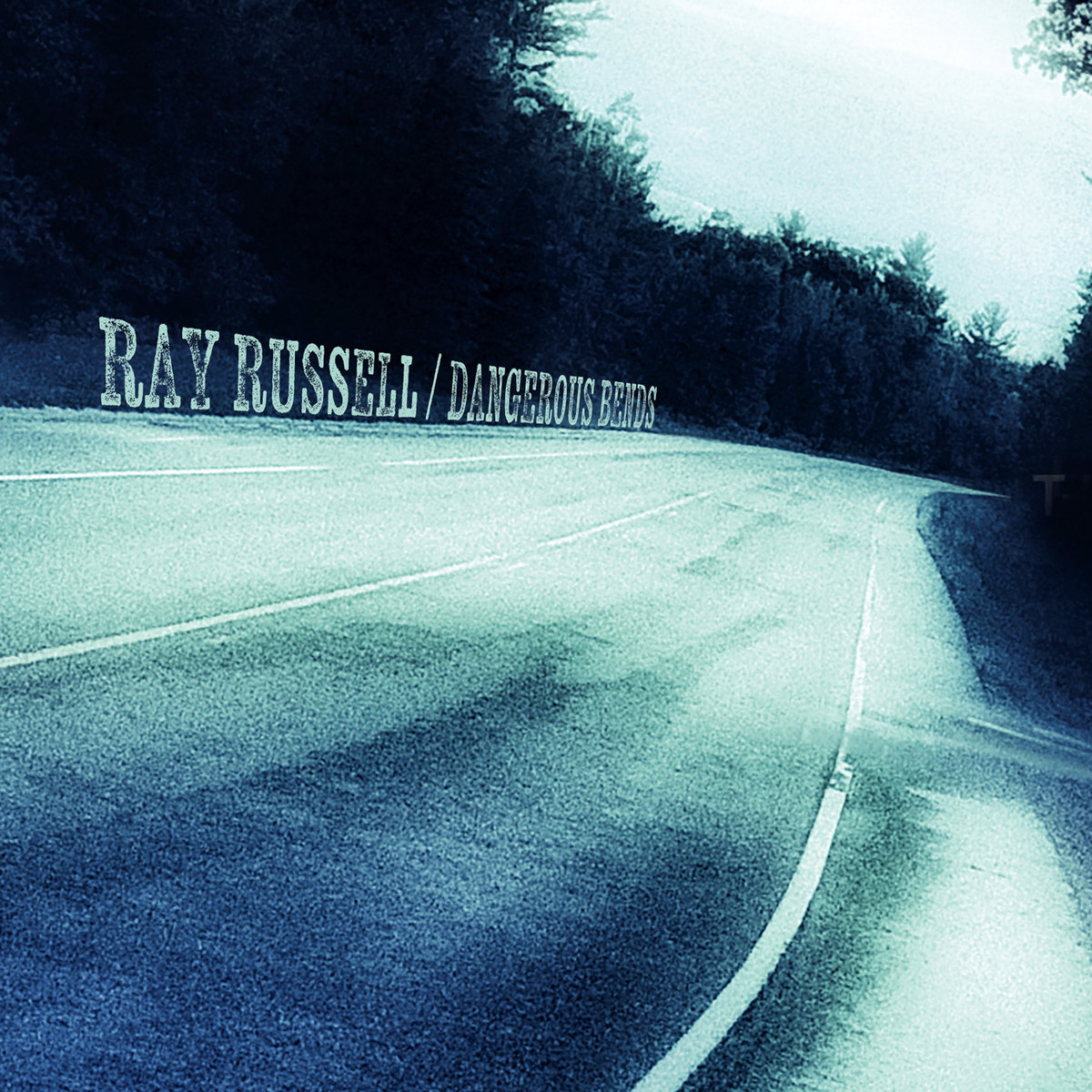
I am absolutely certain that you've heard Ray Russell's playing. But I am also pretty certain that you've never heard his name before.
Neither had I.
However, the press release I received with this album makes it clear that Russell's been around. What else could you say of someone whose musical résumé includes names like Tina Turner, Phil Collins, or David Bowie...
Wow...
But Dangerous Bends is all him. His compositions, arrangements, ideas...
Since I've already been naming names, I will allow myself to mention one more, a player whose name kept coming back to me while listening to this release.
Allan Holdsworth.
To be clear, I am not saying that Dangerous Bends is a clone of what Holdsworth was doing. No. Russell’s music is completely original.
That said, the way he approaches composition, the structure, and how he reaches far beyond traditional harmonies or builds complex themes is not unlike what Holdsworth used to do.
And that is a compliment.
Of course, Russell plays in his unique way. But the truth is, if you already love Holdsworth, you'll feel the same about Russell. If you don't, well...
Dangerous Bends reveals itself fully from the opening notes.
Tight groove provides foundation for a complex theme based on unusual harmony. If this is your thing, you immediately start to listen. And it gets better.
Russell builds his solo slowly. I love that he doesn't expect me to chase him. He's staying with every idea until he has played it in full and only then, slowly moves to the next. Pianist Jim Watson follows with the same formula. And in spite of the song being a tight jazz rock improv, no one's rushing anywhere, and no one's showing off.
That is another thing you notice on Dangerous Bends. The music on the album avoids the common trap many jazz rock improv albums fall into. A trap of putting speed and theatrics before the music.
No. For Russell, music clearly wins.
From Here to Dexterity highlights another common thread on this album. Throughout the record, arrangements are used not only to help keep music interesting but to provide a structure for the players, or define their place, so to speak.
Because here, no one is trying to cross the line. No one's breaking the format. And no one's interrupting the others.
Everyone plays with maturity. Musicians know their place, and do what they're supposed to do pretty darn well.
Walking with Giants is probably the one track too many. It features a rapper, someone named V.O.A., doing his thing on top of the band. Unfortunately, this song not only does not add anything to the record, but also, to some degree, breaks the flow before the closing, gentle coda of So Be It.
But that is a minor thing. You can always skip this track and enjoy the record.
I do have two complaints about Dangerous Bends, though.
First is that it features a tiny soundstage. I do appreciate that the band might have been placed close together when recording. And that such placement might have helped them connect and gel better. But a little bit more sonic separation would help us listeners enjoy the harmonic richness of this music more.
My other complaint is the arrangements. On Dangerous Bends songs follow quite a repetitive pattern. Most start with a theme, follow it with one instrument's solo, come back to a theme or a break before serving another solo, then return to the theme for a brief moment before serving the ending.
It's not a bad pattern, of course. But over the course of an entire record, it becomes noticeable, and eventually, boring.
Luckily, neither issue takes away from the fact that Dangerous Bends is a thoughtful, mature jazz-rock record with a lot to admire.
It is simply a great record. Full stop.
about me

Hi, I'm Pawel Grabowski. I'm a music writer and the person behind TrueResAudio
I write about albums, explore musical rabbit holes, and share the joy of discovering music one record at a time.
more essays