

One of the definitive hard bop recordings demands to be heard at its best. Unfortunately, the gap between the best and worst versions here is wider than it has any right to be.
Recorded in a single session at Van Gelder Studio on 30 October 1958, Moanin' is the record that crystallised what the Jazz Messengers were. Bobby Timmons's opening title track sets the tone immediately: gospel-rooted, blues-soaked, and driven by Blakey's drums in a way that feels less like accompaniment and more like weather.
The remaining programme belongs largely to Benny Golson, whose writing gave the band both propulsion and lyricism in equal measure.
Moanin was Blakey's homecoming to Blue Note, and the band he brought with him produced one of the most cohesive and concentrated statements in the hard bop canon. The Moanin' single was inducted into the Grammy Hall of Fame in 1998. The album followed in 2001 and that reputation is entirely earned.
A quick note on the recording: on the title track, Lee Morgan gets audibly too close to his microphone. The air from his trumpet hits the capsule in a way that is similar to vocal plosives, and it is noticeable across most editions. On the DSD, you can actually hear his tone shift as he moves in toward the mic. It is a small thing, but it is there, and it is worth knowing before you start wondering whether something is wrong with your speakers or cans.
What to listen for
- recording detail
- room atmosphere
- analog feel in the sound of the mics
Editions
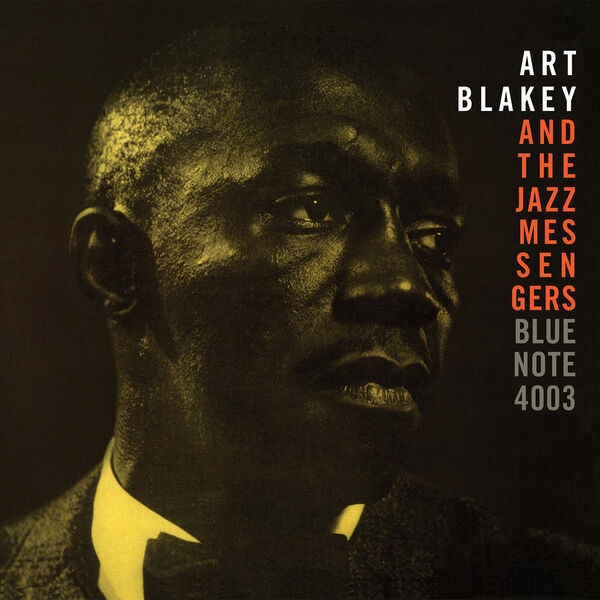
- Label:
- Blue Note
- Year:
- 2014
- Format:
- DSD64
- Source:
- ?
This is marketed as the same as Blue Note SACD but it sounds incomparably better. Whereas the SACD sounds like a flat tape transfer, this edition has so much life in it. Note: Just like the SACD edition, the program here also includes an alternatie take of Moanin.
This edition is quite a beast: The sound opens up immediately. Nothing is pushing or pulling for attention. The piano has full body and clean transients, the drums are clear without being aggressive, the cymbals have presence without the hard edge that afflicts the compressed editions. The saxophone is warm. The room is audible around the players, not as an effect but as a natural consequence of a session recorded well in a room that had character. Morgan's mic issue is still there, reduced enough that it registers as a period detail rather than a fault. The bass is slightly set back in the mix, which means it is not as immediately prominent as on some editions, but what you lose in weight you gain in note clarity: you can follow the line. There is no compression that intrudes on the dynamics. The session breathes.
The edition for long, unhurried listening. Everything that makes this recording worth owning is present, and nothing gets in the way of it.
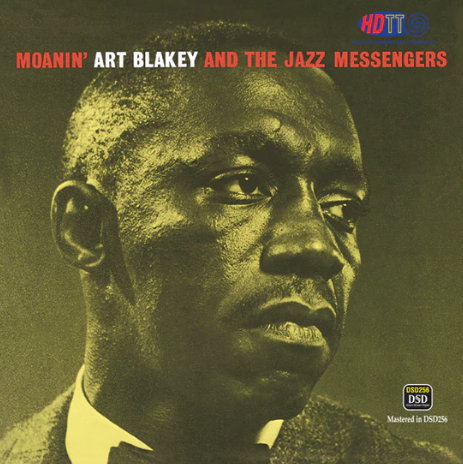
- Label:
- High Definition Tape Transfers
- Year:
- 2022
- Format:
- Up to DSD256
- Source:
- 15ips analog tape
Direct analog tape transfer
The age of the tape is the first thing you hear. There is warmth here, and the analog character of the original session comes through in a way no official digital release can fully replicate. But the tape has clearly been through its life. There is an audible fragility to the sound, a slight wearing at the edges that keeps you at a small distance from the music. The bass carries a low-level distortion that I suspect is the condition of the tape itself rather than anything introduced in the transfer. The air from Morgan's trumpet hitting against the mic capsule is plainly audible. This edition seems to reveal more of what that particular copy of the analog tape used for transfer sounds like today, not the music.
This is a document of the analog source rather than a release to listen through. Worth hearing once for what it reveals, but not the edition I return to.
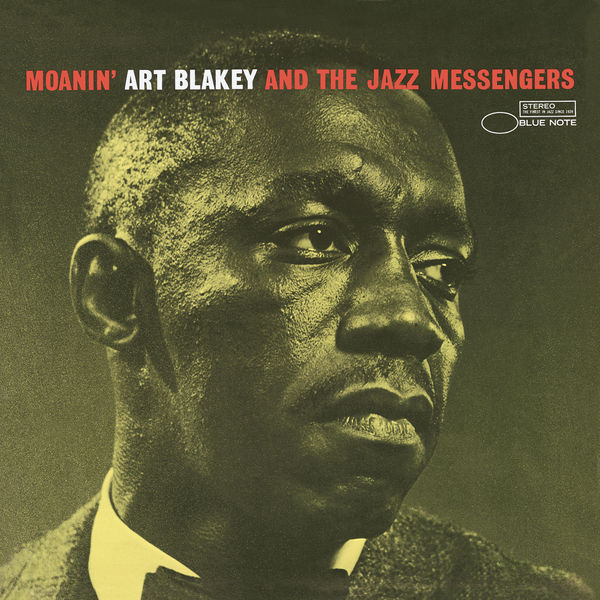
- Label:
- Blue Note
- Year:
- 2013
- Format:
- 24/192 FLAC
- Source:
- ?
This is the 2013 remastered edition. Note: Presto Music offers this release in lower quality, 24/96 FLAC but it sounds as the same mastering.
The compression announces itself within the first few bars. There is no adjustment period here: you immediately hear that something has gone wrong. The brightness has been pushed up across the board, too, and while this sharpens the transients on paper, in practice it compresses the whole session into a wall where the space between the players has been closed down. The studio, which should feel alive around you, is barely present. The bass is frequently reduced to a single indistinct note, impossible to follow, which I think comes as a result of the lows being pushed during a mastering process that treated the bottom end carelessly. The compression forces sax and drums into sonic collision. Morgan's trumpet has sharpness without tone. The warmth has been processed out of the piano. The whole session feels like it has been photographed under harsh overhead light.
Not recommended. I consider it an example of mastering that actively damages the music it is supposed to serve than anything else.
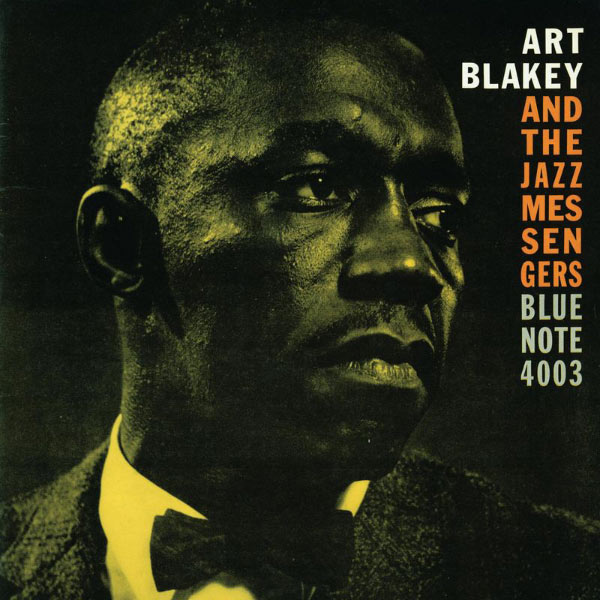
- Label:
- Blue Note
- Year:
- ?
- Format:
- 16/44 FLAC
- Source:
- ?
This edition expands the probram with some studio banter at the start, and the alternate edition of Moanin.
Interesetingly, the compression here is heavier than the 2013 remaster, and the overall volume is significantly higher, but my impression of this edition is far more positive than of the 2013 remaster. This edition also uses a slightly different mix with instruments drawn toward the centre of the soundstage rather than spread across it. There is also what sounds like a slight reverb added to the session, though it is subtle. Some of the cymbal detail is more present here, and the bass, despite the heavy processing, is at least followable note by note, which the 2013 remaster cannot claim. Morgan's mic issue is reduced almost to the point of inaudibility, which is interesting and a welcomed edit.
Better than the 2013 remaster in a few specific ways, but the combination of compression and elevated volume makes extended listening hard work. A casual play on speakers, perhaps. Not a sit-down listen.
- Label:
- Blue Note
- Year:
- 2014
- Format:
- 16/44 FLAC
- Source:
- ?
A very quiet release, sounding as if it was a flat tape transfer.
Very quiet, and essentially flat. There is no sense that any mastering has been applied. The bass is the clearest it appears on any edition, which is genuinely useful, and Morgan's mic issue is the least intrusive here, an evidence that the problem elsewhere is mastering amplifying a recording artefact rather than the artefact itself. But the trade-off is that the session has no life. Nothing reaches out. The music sits behind the speakers rather than filling the room, and even the details that are cleanly preserved do not reward the way they should.
Historically interesting as a near-unprocessed transfer, but not a release to sit with. The clarity it offers comes at the cost of everything that makes the session compelling.
Closing notes
Comparing these editions made me realise that format and resolution are not the story here.
The HDTT DSD256 and the Blue Note DSD64 are both DSD transfers, but they are not close to each other: one shows you the condition of the tape, the other shows you the session.
The two Blue Note PCM editions approach the material with heavy hands and produce results that range from fatiguing to genuinely damaging.
The SACD transfer leaves the music untouched in a way that sounds like indifference rather than respect.
The DSD64 is the edition I reach for and recommend. And it is not a close decision. It is the only version on this page where the session feels present rather than processed, where the studio room opens around the band rather than being pushed into the background.
Clearly, the mastering engineer behind it understood what the recording needed. The others, in different ways, did not.